
From feed to fork - how Agrium Capital's integrated platform model works in practice
How integrated platforms create value across the supply chain
Agrium Capital describes its role as providing anchor development capital as part of blended finance solutions for large-scale agri-food systems development in frontier markets. Two live projects show what that looks like in practice.
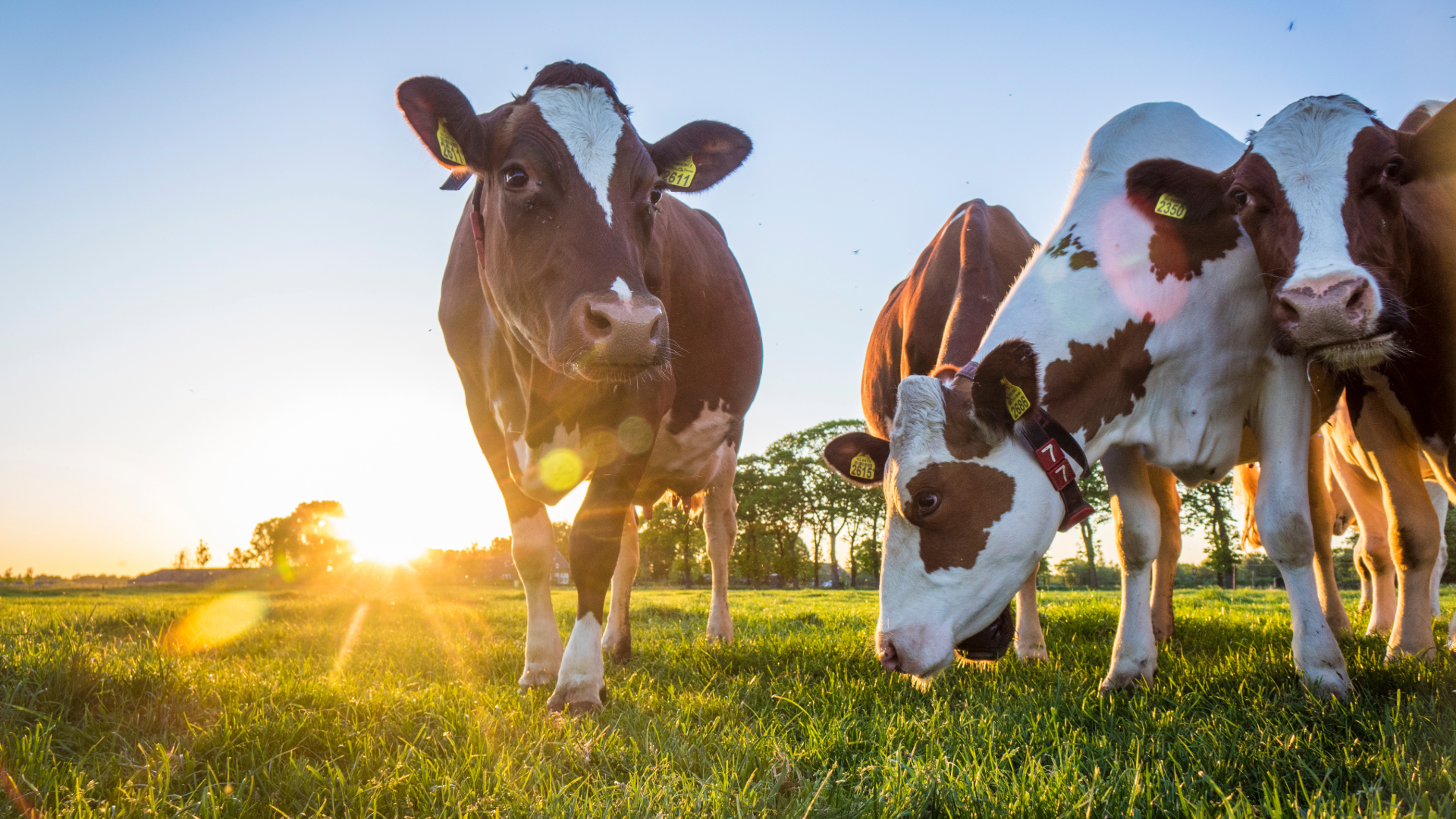
In Ethiopia, the $600 million Integrated Dairy and Commercial Farming Project with Ethiopian Investment Holdings and the Ethiopian Agricultural Businesses Corporation is structured in two phases. Phase one builds dairy farming and processing capacity, including feed production across 15,000 hectares, so that the herd's own feed supply is secured before scale-up.
Phase two then extends into cotton, oilseed and rice farming with dedicated processing facilities and an out-grower support centre, bringing smallholder farmers into the supply chain rather than developing production in isolation from the surrounding rural economy.
In Nigeria, the proposed $496 million platform with the Nigeria Sovereign Investment Authority follows a similar logic: 20,000 hectares of crop and forage production feeding a 10,000-cow dairy operation, feeding in turn a processing facility producing fresh milk, milk powder, butter, cream and infant formula, with up to 10,000 rural households integrated into the supply chain through out-grower schemes.
In both cases, the pattern is the same: production, processing and rural livelihoods are developed as a single connected system rather than as separate, disconnected investments. It is a model designed to reduce reliance on imports, create jobs at every stage of the value chain, and give investors exposure to food systems that are being built for scale from the outset.
Sources:
EIH investment overview: https://eih.et/investment/
NSIA official release: https://nsia.com.ng/nsia-sign-mou-with-uks-asset-green-ltd-to-develop-us496-million-integrated-dairy-livestock-production-and-processing-platform-in-nigeria/
Agrium Capital: https://agriumcapital.com/