
Environmental and Social Governance
6 pillars of impact behind our strategy
-
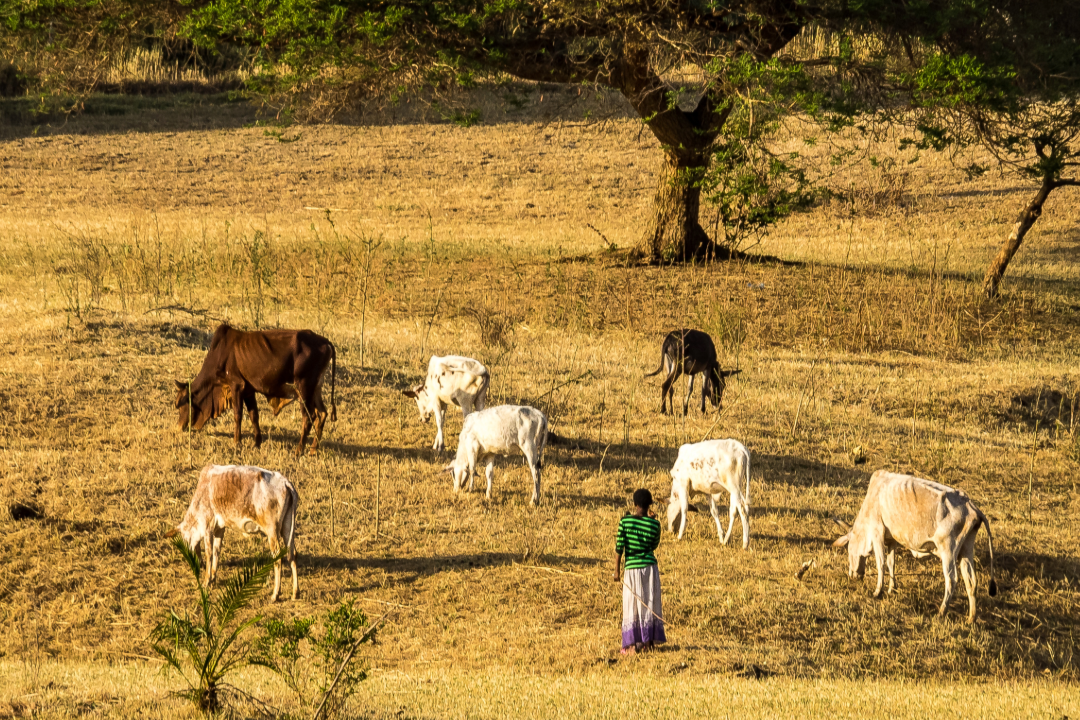
01 Job Creation and Rural Development
Scaling modern agri-food systems drives investment in rural areas, creates new. jobs and develops new skills across multiple industries and sectors, increasing incomes and strengthening rural communities.
-
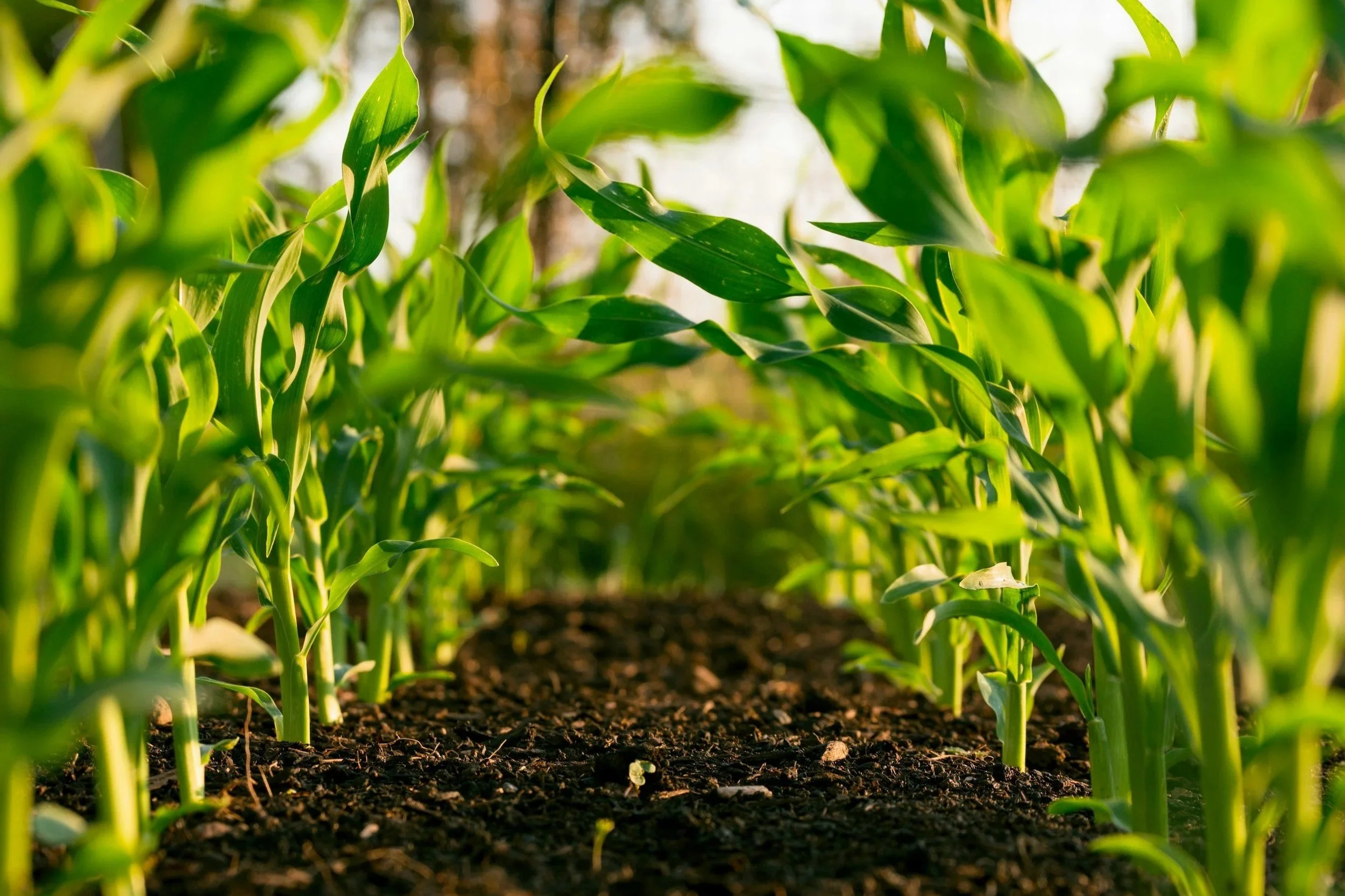
02 Environmental Impact
Modern agricultural methodologies and techniques can reduce poor farming practices while improving soil health, reducing greenhouse gas emmissions and using water more efficiently.
-

03 Access to Improved Nutrition
Domestic populations gain access to higher-quality, safer food. Lower production costs generated through economies of scale can also support more affordable food for consumers.
-

04 Improved Education and Skills
A modern agricultural sector requires a higher-skilled workforce and the adoption of new technologies. Training, education and extension services form an integral part of the integrated process.
-
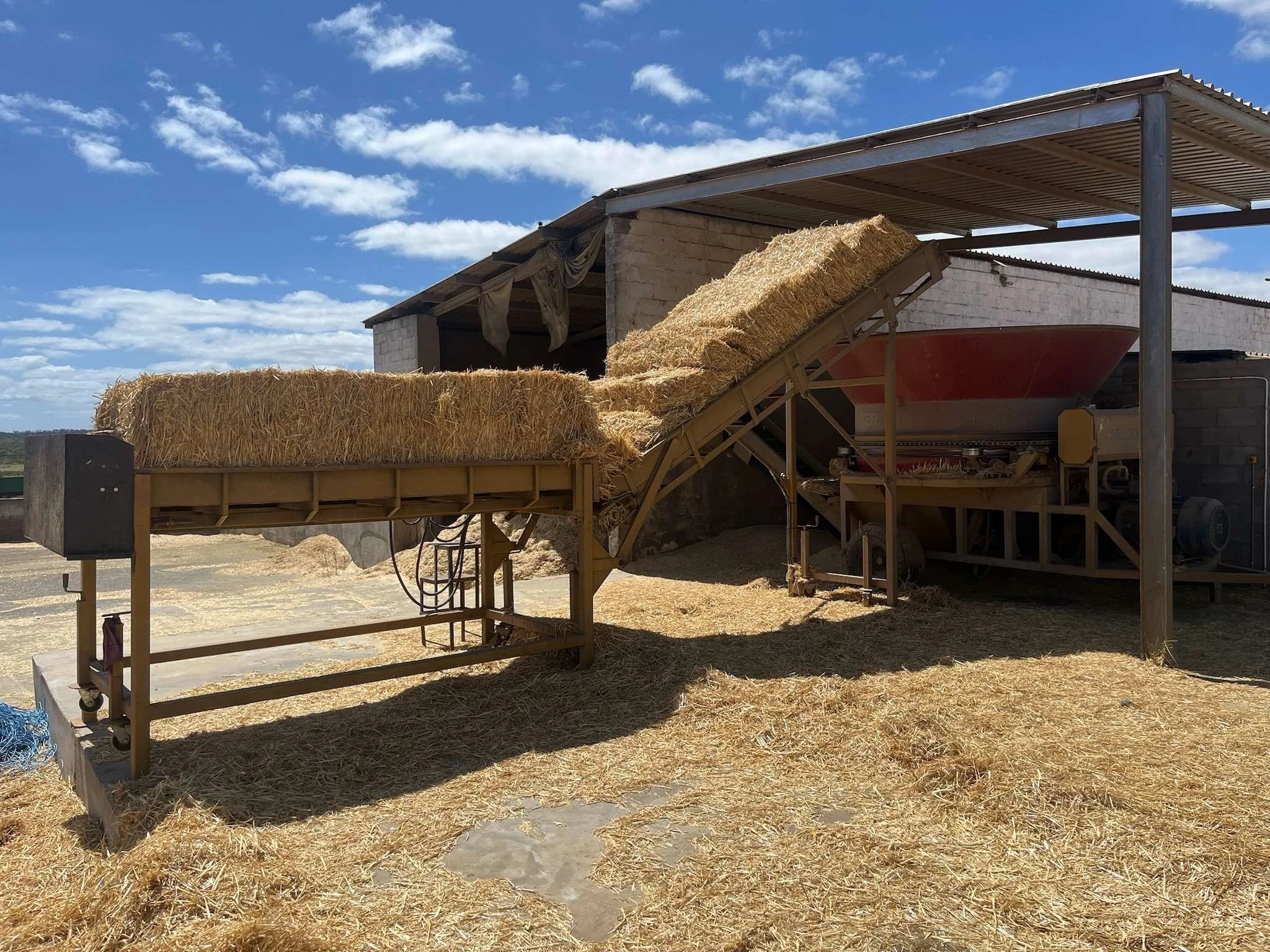
05 Higher Exports
Scaled production creates opportunities for high-quality exports alongside domestic supply, supporting import substitution, reducing reliance on imports and helping to strengthen the trade balance.
-
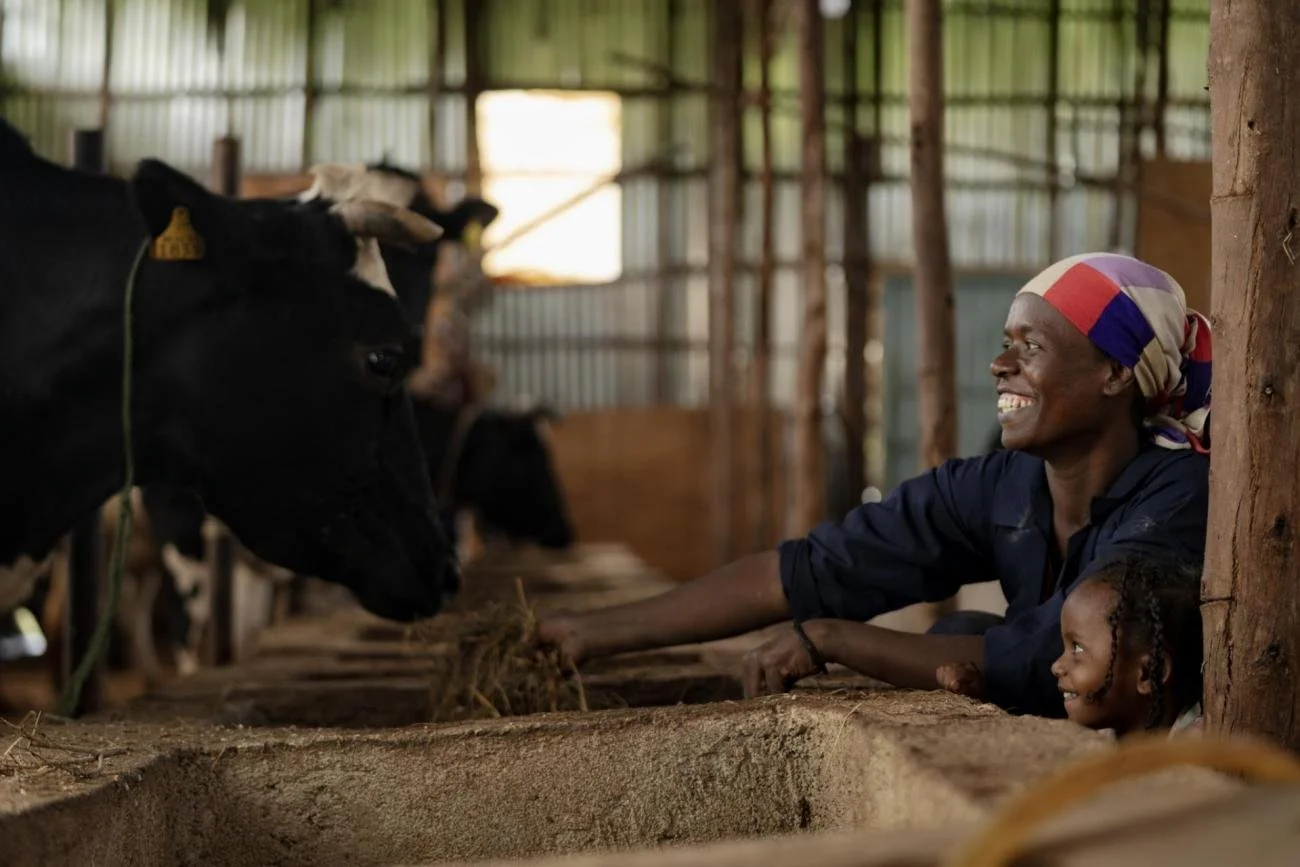
06 Empowering People and Communities
Agrium Capital’s model empowers women and youth within smallholder communities by expanding access to markets, capacity-building and inclusion in scalable agricultural value chains.
Our agri-food development strategy directly supports
12 of the 17 UN Sustainable Development Goals:
End poverty in all its forms everywhere by ensuring access to resources, social protection and equal opportunities.
End hunger, improve nutrition and promote sustainable agriculture for everyone.
Ensure healthy lives and promote well-being for people of all ages.
Ensure access to safe water, sanitation and sustainable water management.
Promote inclusive economic growth, productive employment and decent work for all.
Build resilient infrastructure, foster innovation and promote sustainable industry.
Reduce inequalities within and among countries so everyone has equal opportunities.
Make cities and communities inclusive, safe, resilient and sustainable.
Ensure sustainable consumption and production patterns that reduce waste and protect resources.
Take urgent action to combat climate change and its impacts.
Protect forests, biodiversity and ecosystems while restoring degraded land.
Strengthen global partnerships and cooperation to achieve sustainable development.